The Timeless Appeal of Incandescent Light Bulbs
- Jonathan Stuart
- Nov 30, 2025
- 4 min read
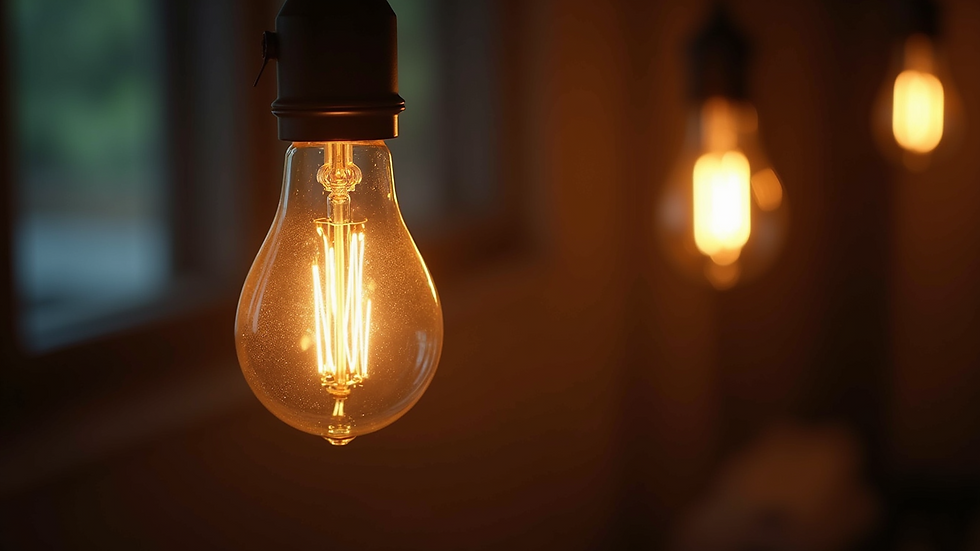
In a world increasingly dominated by energy-efficient lighting solutions, the incandescent light bulb remains a beloved choice for many. Its warm glow and nostalgic charm evoke feelings of comfort and familiarity, making it a staple in homes and businesses alike. This blog post delves into the enduring allure of incandescent bulbs, exploring their history, benefits, and the reasons they continue to captivate consumers.
A Brief History of Incandescent Light Bulbs
The journey of the incandescent light bulb began in the early 19th century. While several inventors contributed to its development, Thomas Edison is often credited with creating the first practical incandescent bulb in 1879. His design utilized a carbon filament that could glow for hours when electrified, revolutionizing the way we illuminate our spaces.
The Evolution of Incandescent Bulbs
Early Designs: The first bulbs were fragile and had a short lifespan. However, they paved the way for improvements in materials and manufacturing processes.
Tungsten Filament: In the early 1900s, the introduction of tungsten filaments significantly enhanced the durability and efficiency of incandescent bulbs.
Standardization: By the mid-20th century, incandescent bulbs became standardized, making them widely available and affordable.
Despite the emergence of fluorescent and LED lighting, the incandescent bulb has maintained a loyal following due to its unique characteristics.
The Unique Characteristics of Incandescent Light Bulbs
Warmth and Color Rendering
One of the most appealing aspects of incandescent bulbs is their ability to produce a warm, inviting light. This quality is measured in Kelvin, with incandescent bulbs typically ranging from 2700K to 3000K. The warm light creates a cozy atmosphere, making it ideal for living spaces, restaurants, and retail environments.
Additionally, incandescent bulbs have a high Color Rendering Index (CRI), often close to 100. This means they render colors more accurately than many other types of bulbs, enhancing the appearance of decor and food.
Dimming Capabilities
Incandescent bulbs are easily dimmable, allowing users to adjust the brightness to suit their mood or activity. This flexibility is particularly valuable in settings like dining rooms or theaters, where ambiance plays a crucial role.
Instant On
Unlike some energy-efficient alternatives, incandescent bulbs provide immediate illumination when switched on. This feature is especially beneficial in spaces where instant light is necessary, such as hallways or entryways.
The Environmental Debate
While incandescent bulbs have their advantages, they are often criticized for their energy consumption. They convert only about 10% of the energy they use into light, with the rest lost as heat. This inefficiency has led to a push for more energy-efficient lighting options.
The Shift to Energy-Efficient Lighting
In recent years, many countries have implemented regulations to phase out incandescent bulbs in favor of compact fluorescent lamps (CFLs) and light-emitting diodes (LEDs). These alternatives consume significantly less energy and have longer lifespans. However, they often lack the warmth and color rendering quality that incandescent bulbs provide.
Finding a Balance
For those who appreciate the qualities of incandescent bulbs but are concerned about energy consumption, there are options available. Some manufacturers have developed halogen incandescent bulbs, which are more energy-efficient while still offering a similar warm light.
The Aesthetic Appeal of Incandescent Bulbs
Vintage and Retro Styles
The resurgence of vintage and retro design has contributed to the popularity of incandescent bulbs. Their classic appearance complements various decor styles, from rustic to industrial. Many people choose to showcase exposed incandescent bulbs in pendant lights or fixtures, adding a touch of nostalgia to their spaces.
Creating Atmosphere
The soft glow of incandescent light creates an inviting atmosphere that is hard to replicate. Whether used in a cozy reading nook or a bustling café, these bulbs enhance the overall ambiance, making spaces feel more welcoming.
Practical Applications of Incandescent Bulbs
Home Lighting
In residential settings, incandescent bulbs are often used in:
Living Rooms: To create a warm and inviting environment for relaxation and socializing.
Kitchens: Providing bright, clear light for cooking and food preparation.
Bedrooms: Offering a soft, calming glow for winding down at the end of the day.
Commercial Spaces
Businesses also benefit from the unique qualities of incandescent bulbs. They are commonly found in:
Restaurants: Enhancing the dining experience with warm, flattering light.
Retail Stores: Highlighting products and creating an inviting shopping atmosphere.
Art Galleries: Accentuating artwork with accurate color rendering.
The Future of Incandescent Bulbs
Despite the challenges posed by energy regulations, the incandescent bulb is far from obsolete. Many consumers continue to seek out these bulbs for their aesthetic and functional qualities. As technology advances, there may be opportunities for new incandescent designs that meet energy efficiency standards while preserving the beloved characteristics of traditional bulbs.
Innovations on the Horizon
Smart Incandescent Bulbs: The integration of smart technology into incandescent designs could offer users the best of both worlds—energy efficiency and the warm glow they love.
Sustainable Materials: Future developments may focus on using sustainable materials in the production of incandescent bulbs, reducing their environmental impact.
Conclusion
The incandescent light bulb remains a timeless choice for those who value warmth, ambiance, and aesthetic appeal. While energy-efficient alternatives have gained popularity, the unique qualities of incandescent bulbs ensure their place in homes and businesses for years to come. As we navigate the balance between energy efficiency and personal preference, the incandescent bulb continues to shine brightly in our hearts and homes.
In a world of constant change, embracing the charm of incandescent lighting can bring a sense of nostalgia and comfort. Whether you’re redesigning your space or simply looking to enhance your home’s atmosphere, consider the incandescent bulb as a classic choice that never goes out of style.


Comments